The Living Room Font for Web Design
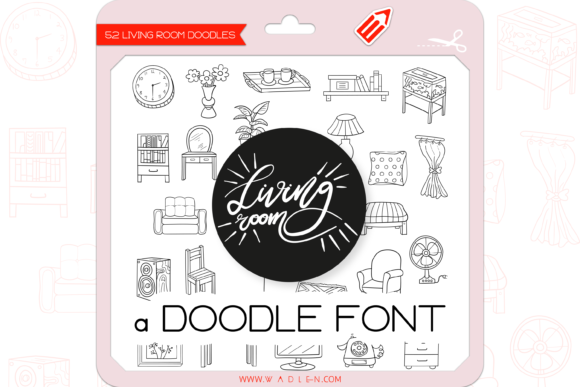
The Living Room is a unique and cute dingbats font that brings a playful yet professional touch to digital design. With 52 hand-drawn doodles, it adds character to any creative project. As a web designer, I appreciate how this font can elevate the visual appeal of websites without compromising readability or brand consistency.
Visual Characteristics and Style
The Living Room has a distinct personality with its hand-drawn style. It blends whimsy with clarity, making it ideal for projects that require a friendly yet modern aesthetic. The doodles add subtle decorative elements that enhance visual interest without overwhelming the content.
This font is particularly effective in designs where creativity and approachability are key. Its soft curves and gentle lines give it a warm and inviting feel, which is perfect for branding that aims to connect emotionally with the audience.
Applying The Living Room in Web Design
The Living Room can be used in various parts of a website to create engaging visuals. For instance, using it in hero sections can draw attention with a unique headline that stands out from traditional fonts. It works well for landing pages that want to convey a sense of fun and innovation.
On online store banners, The Living Room can help highlight promotions or new arrivals with a touch of charm. Blog headers benefit from its visual appeal, allowing readers to quickly identify the topic while feeling engaged by the design.
In digital ads, this font can be used for short phrases or calls to action that need to grab attention. It's also suitable for portfolio sites where the designer wants to showcase their work with a personal and creative flair.
Readability and Visual Hierarchy
While The Living Room is a display font, it's important to use it strategically to maintain readability. It performs best in larger sizes and on high-contrast backgrounds. When paired with a clean sans serif font for body text, it creates a balanced visual hierarchy that guides the user’s eye through the content smoothly.
For mobile screens, ensure that the font size is large enough to remain legible. Avoid using it in small buttons or areas with limited space. Testing across different screen sizes helps ensure that the font enhances rather than hinders the user experience.
Brand Tone and User Engagement
The tone of a brand is often reflected in its typography choices. The Living Room contributes to a brand identity that feels approachable and creative. It’s especially useful for brands targeting younger audiences or those in the lifestyle, education, or creative industries.
By using The Living Room in logo text or header sections, brands can communicate their personality more effectively. This font encourages engagement by creating a memorable and visually appealing first impression.
Font Pairing and Design Assets
Pairing The Living Room with a simple sans serif font like Helvetica or Arial ensures that the design remains readable while still being visually interesting. This combination works well for editorial designs, product landing pages, and course sales pages.
When designing a digital brand kit, including The Living Room as part of the typography guidelines helps maintain a consistent look across all platforms. It can be used alongside other design assets such as icons, illustrations, and color palettes to build a cohesive brand identity.
Commercial Use and Licensing
Before using The Living Room for client projects, online stores, or digital templates, it's essential to check the commercial licensing terms. Ensuring proper usage rights is crucial for maintaining professionalism and avoiding legal issues.
Many premium fonts offer webfont availability, which makes them easy to implement on websites. Checking for supported file formats, alternates, weights, and multilingual support can also help determine if it's the right choice for your specific needs.
Practical Examples
For a creative portfolio site, The Living Room can be used in the header to introduce the designer’s work with a unique and artistic flair. In a boutique online store, it can highlight product names or promotional messages to create an inviting shopping experience.
A coaching website might use The Living Room in section headings to add warmth and personality to the content. On a product landing page, it can be used in call-to-action buttons or feature titles to encourage conversions.
When designing a blog header or social media graphics, The Living Room offers a fresh and engaging alternative to standard fonts. It helps stand out in a crowded digital landscape while keeping the brand voice consistent.
For digital brand kits, The Living Room can serve as a signature font that reinforces brand recognition across all touchpoints. Whether it's used in email newsletters, marketing materials, or website navigation, it adds a distinctive visual element that supports the overall brand strategy.